
A place for practical agent work
MagicAssist Resources is an editorial home for people who want to make agent-assisted work easier to understand and easier to repeat. The articles here focus on the decisions around the work: how to define a useful task, how to give an agent relevant context, how to review what happened, and how to decide where a task should run. The aim is not to prescribe one universal workflow. It is to offer concrete patterns that readers can adapt to their own projects.
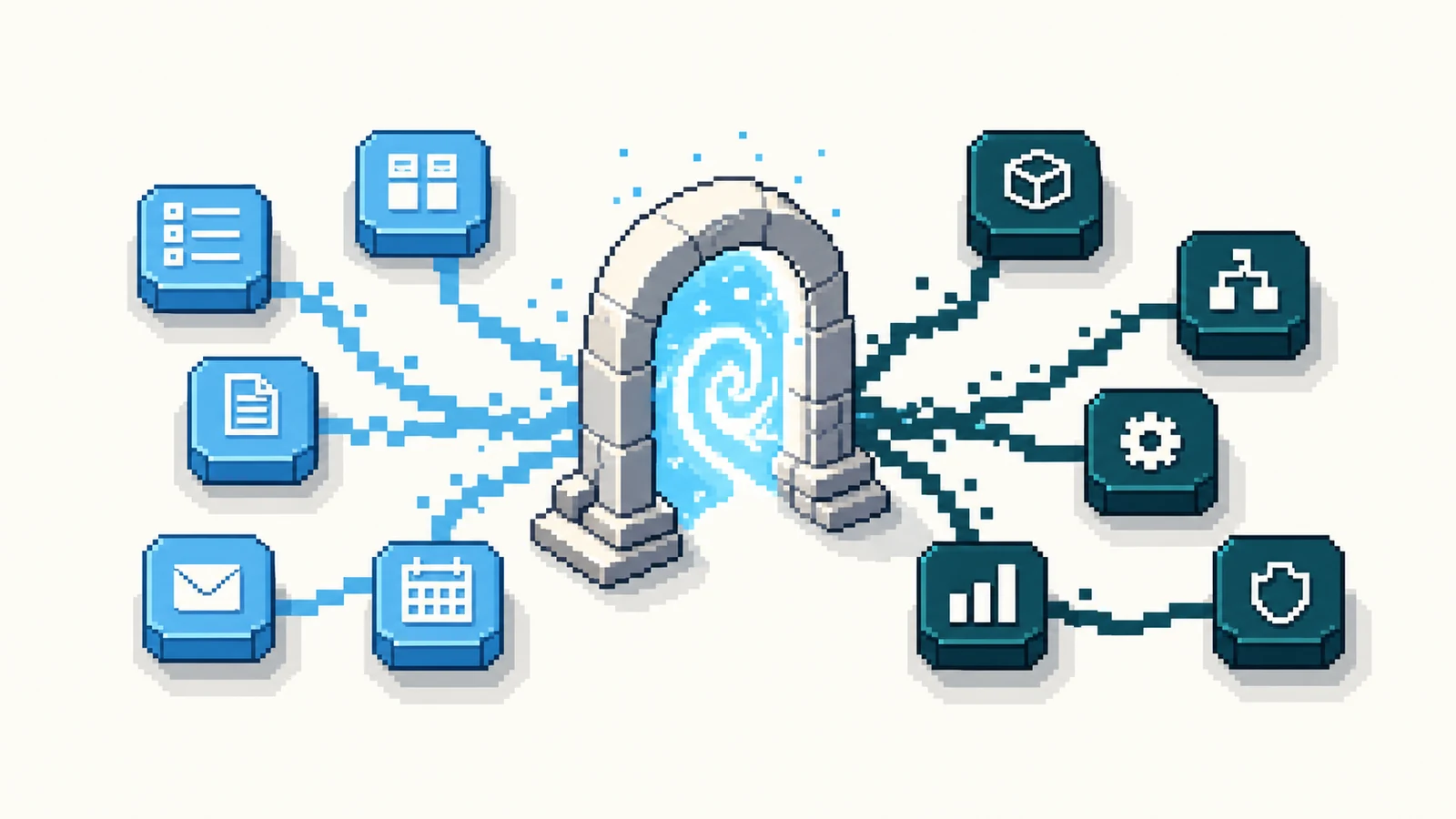
MagicAssist brings agents, tasks, context, Autopilots, and runtime choices into one working model. Each concept is useful on its own, but the clearest results come from considering how they connect. A well-scoped task gives an agent a visible objective. Relevant context helps the agent interpret that objective. A review step gives a person a natural place to confirm or redirect the work. A runtime supplies the environment where the work can happen.
What you will find here
- Guides for shaping work into clear tasks and review points.
- Product notes that explain MagicAssist concepts in plain language.
- Field notes about choices that appear while organizing agent teams.
- Case-study-style walkthroughs built as staging examples, without customer claims.
Start with the work that needs to become visible, then choose the agent, context, and runtime that fit it.
The publication is also a place to show the shape of useful documentation. Articles may include checklists, code snippets, tables, diagrams, and captions when those formats make an idea easier to scan. Examples are deliberately modest: they illustrate a method without implying a benchmark, certification, customer result, or guaranteed outcome.
A useful reading path
If you are new to the model, begin with the guide to running agents like a team. Continue with the article about turning prompts into accountable work, then explore durable context and runtime choices. The Autopilots article is most useful after you can describe a repeatable task and its review boundary. Return to individual pieces as working references rather than treating the collection as a fixed course.
These fixtures are staging editorial content, but their structure mirrors the intended Resources experience: one focused question per article, direct language, and examples that stay close to public MagicAssist concepts. As the product and its documentation evolve, future Resources posts can deepen those ideas while keeping the same practical center: make the work legible to the people responsible for it.